
عفونت مکرر واژن؛ راهنمای جامع تشخیص، علل و درمان
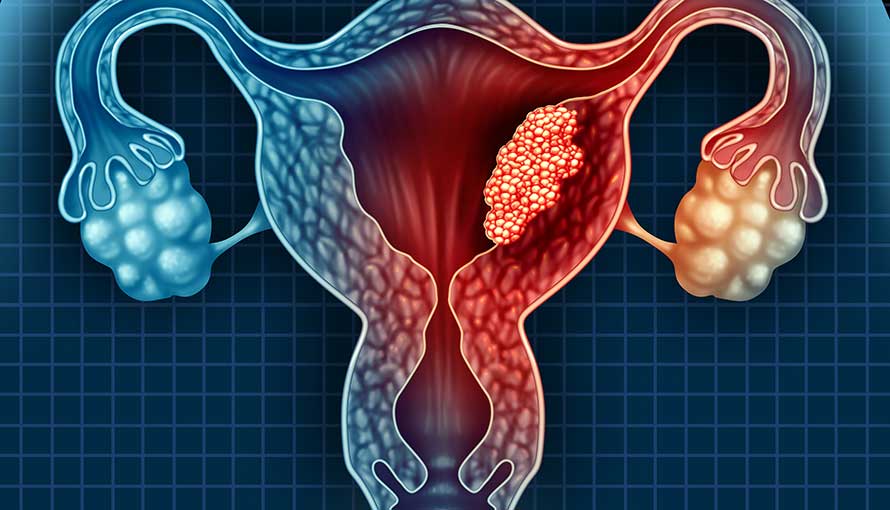
عفونت مکرر واژن یکی از شایعترین مشکلات بهداشتی زنان محسوب میشود که تأثیر قابل توجهی بر کیفیت زندگی آنان دارد. این وضعیت به طور کلی زمانی رخ میدهد که فرد بیش از سه بار در سال دچار عفونت واژن میشود. عفونت مکرر واژن میتواند ناشی از عوامل مختلفی باشد و نیاز به بررسی دقیق و درمان مناسب دارد که در ادامه به تمامی این موارد اشاره و توضیحات دقق و لازم را میدهیم . درک صحیح از علل، علائم و روشهای درمان این مشکل به زنان کمک میکند تا با آگاهی بیشتری با آن مواجه شوند و از عوارض جانبی آن جلوگیری کنند. If you are also struggling with this problem and looking for definitive diagnosis and treatment, follow us to the end of the article.

Is frequent vaginal infection dangerous?
Frequent vaginal infection usually does not pose a serious risk, but if it is not treated in time, it can cause serious complications. This type of infection may lead to chronic inflammation, reduced fertility, increased risk of upper genital tract infections, and even mental problems. Frequent vaginal infection can also weaken the body's immune system and prepare the ground for contracting other diseases. It is noteworthy that during pregnancy, this type of infection increases the risk of premature birth and fetal problems, so ignoring frequent vaginal infection and not taking action to treat it can have adverse consequences.
What are the causes of recurrent vaginal infection?
In general, recurrent vaginal infection occurs for the following reasons, according to the suggestion of gynecologist Dr. Giti Sahazi, if you have or see these symptoms, which we have explained in detail below, see a doctor or you can book an appointment online with the doctor so that they can examine your problem as soon as possible and suggest treatment:
·hormonal changes
Hormonal changes are one of the most important causes of frequent vaginal infections. During menstruation, menopause, pregnancy and breastfeeding, the level of sex hormones undergoes severe fluctuations that affect the microbial balance of the vagina, which can be one of the reasons for frequent infections, so using birth control pills can disrupt the hormonal balance and increase the possibility of frequent vaginal infections.
·Weakness of the immune system
Weak immune system is one of the main causes of frequent vaginal infections. People who have autoimmune diseases, take drugs that weaken the immune system, or are under severe stress are prone to these types of infections. Diabetes also causes frequent vaginal infections by weakening the body's defense system and creating a suitable environment for the growth of microorganisms. Chronic diseases such as HIV, cancer and chemotherapy treatments also weaken the immune system and increase the risk of recurrent infections.
· Improper use of antibiotics
Inappropriate and excessive use of antibiotics is one of the important causes of frequent vaginal infections. While antibiotics kill harmful bacteria, they also destroy the beneficial bacteria in the vagina and disrupt the natural microbial balance. This situation provides a good opportunity for the growth of fungi and other harmful microorganisms. Long-term use of antibiotics, failure to complete the course of treatment and arbitrary use of these drugs are considered aggravating factors.
·Improper hygiene
Not following the correct hygiene principles is one of the main causes of frequent vaginal infections. Using strong soaps, frequent vaginal douching, using scented chemicals for the genital area, and improperly wiping from back to front can upset the natural balance of the vagina. Wearing tight and non-breathable clothes, using low-quality sanitary napkins and not changing them regularly are also grounds for infection. Also, excessive use of talcum powders, scented sprays and other chemicals in the genital area also contributes to frequent vaginal infections.

Warning symptoms of recurrent vaginal infection
If you experience several of the following symptoms at the same time, you most likely have a recurrent vaginal infection:
1. Severe itching and burning
Severe itching and burning in the vaginal area is one of the first and most important symptoms of recurrent vaginal infection. These symptoms are usually aggravated during the day and can disturb a person's sleep and daily activities. Itching may be felt inside the vagina, its entrance or in the surrounding areas. Burning can also occur while urinating, during sex, or even while resting. The severity of these symptoms in recurrent vaginal infections is usually higher than simple infections and shows less response to conventional treatments.
2. Abnormal secretions
Change in the characteristics of vaginal secretions is one of the important symptoms of recurrent vaginal infection. The discharge may be thicker, more colored, or have an unpleasant odor. In fungal infections, the discharge is usually white and looks like cottage cheese, while in bacterial infections it may be gray or yellowish. A fishy, musty, or pungent smell in the secretions indicates a bacterial infection. The amount of discharge also usually increases and may be so much that the frequent use of pads or tampons is required. The discharge may be bloody or brown, which indicates severe inflammation or damage to the vaginal tissues.
3. Pain during urination
Pain, burning or discomfort when urinating are common symptoms of recurrent vaginal infection. This pain may be felt at the beginning, during or after urination. Sometimes the pain is so severe that a person avoids urinating, which can lead to urinary tract infections. The burning sensation may last for several minutes after urination. The frequency of urination may also increase, but a small amount of urine is excreted each time. The color of urine may also be darker or more cloudy than normal.
4. Swelling and redness
Swelling and redness in the external areas of the genital tract are visible symptoms of recurrent vaginal infection. The labia majora and labia minora may feel swollen, red, and hot. The swelling may be so severe that it is painful to walk, sit, or wear clothes. Redness may be seen around the entrance to the vagina, the area between the vagina and the anus, or even on the inner thighs.
Proper nutrition to prevent and treat frequent vaginal infections
Proper nutrition plays a very important role in the prevention and treatment of frequent vaginal infections. Consuming probiotics through natural yogurt and other fermented products helps maintain the balance of beneficial vaginal bacteria. Ms. Dr. Giti Ghiazi recommends that women with frequent vaginal infections should include a diet rich in probiotics in their daily schedule.
Decreasing the consumption of sugar and simple carbohydrates is of particular importance; Because fungi feed on sugar and the sugary environment provides the basis for their growth. Increasing consumption of vegetables, fruits rich in vitamin C, nuts and seeds helps to strengthen the immune system. Adequate consumption of water is necessary to remove toxins from the body and maintain tissue moisture.
Also, vitamins A, C, E and zinc play an important role in maintaining the health of the reproductive system. Consumption of garlic, ginger and curcumin is recommended due to their anti-fungal and anti-bacterial properties.
Is frequent vaginal infection related to sex?
Frequent vaginal infection has a complex relationship with sex. Although these types of infections are not necessarily sexually transmitted, sexual activity can increase the likelihood of contracting them. Changing sexual partners, not observing hygiene before and after sex, using scented condoms or lubricants containing chemicals can disrupt the natural balance of the vagina.
Rough or prolonged intercourse may cause damage to the vaginal wall and allow bacteria to enter. Vaginal pH also changes after sex, which can make the environment suitable for the growth of harmful microorganisms. In some cases, an allergy to the partner's semen can also cause inflammation and subsequent infection.
Treatment of recurrent vaginal infection
Skilled doctors such as Dr. Khatam Giti Ghiazi, suggest different treatment methods for the treatment of recurrent vaginal infection according to the cause of infertility, and sometimes a combination of these methods is used.
· Drug treatment
Drug treatment for frequent vaginal infection is determined based on the type of microorganism causing the infection. Antifungals such as fluconazole, clotrimazole, and nystatin are used to treat fungal infections. In resistant cases, longer treatment courses or combination of several drugs may be required. Antibiotics such as metronidazole, clindamycin, and doxycycline are prescribed for bacterial infections. In some cases, a combination of oral and topical treatment may be required. The prognosis of the treatment is usually favorable, but it requires patience and careful follow-up.
● Probiotic therapy
Probiotic therapy is a natural and effective way to control frequent vaginal infections. The beneficial lactobacilli found in probiotics help restore the natural balance of the vaginal microbiome. By producing lactic acid, these beneficial bacteria keep the pH of the vagina at a favorable acidic level and prevent the growth of harmful microorganisms. Probiotics can be used in the form of oral capsules, vaginal suppositories or by consuming fermented foods. Vaginal capsules containing lactobacillus act directly on the site of infection and give faster results. The duration of treatment with probiotics is usually between 7 and 14 days, but may last for several months in resistant cases. Combining probiotic therapy with drug treatments usually has better results. The side effects of probiotics are usually few and transient.
·Hormonal therapy
Hormonal treatment is considered necessary for women whose frequent vaginal infections are caused by hormonal changes. During menopause, the decrease in estrogen causes the vaginal wall to thin and the natural secretions to decrease, which provides the basis for infection. Creams containing estrogen are used locally in the vagina and help restore the thickness and moisture of the vaginal wall. This treatment usually continues for several months and requires a doctor's supervision. Systemic hormone therapy is also recommended in some cases, but its possible side effects must be considered. Adjusting the dose and type of hormone is done based on the individual condition of each patient. Response to hormone therapy is usually gradual and may take several weeks. Combining hormone therapy with other treatment methods has better results.
·Traditional medicine
Traditional medicine offers various methods to treat frequent vaginal infections. Due to its anti-fungal and anti-bacterial properties, tea tree oil is used diluted for external washing. A sitz bath with a solution of white vinegar or sodium bicarbonate can adjust the vaginal pH. Natural honey is sometimes used topically due to its antimicrobial properties. Herbal essential oils such as lavender and rosemary also have anti-inflammatory properties. In addition to these, yoga, meditation and stress reduction techniques also help control infection by strengthening the immune system. The use of these methods should be done under the supervision of a doctor and alongside approved treatments. Some of these methods may interact with other drugs.

The best doctor to treat frequent vaginal infections?
If you have encountered a vaginal infection many times and you have tried various methods but you still have recurrent infections, you should see a gynecologist with high experience and accuracy. Correctly diagnosing the cause of infection and choosing the right treatment requires medical skill and high experience.
Among the different doctors, Mrs. Dr. Giti Ghiasi is known for her high patient satisfaction and special expertise in the treatment of chronic vaginal infections.
Many clients have experienced complete recovery after being disappointed with other treatments by visiting Dr. Dr. Gheazi not only proceeds with the latest medical knowledge, but also patiently and carefully examines the condition of each patient's body. By visiting them, you will no longer need temporary treatments or self-treatment.
When should you see a doctor for frequent vaginal infections?
Seeing a doctor on time for diagnosis and treatment of recurrent vaginal infection is of vital importance. If the symptoms of the infection recur more than once a month, it definitely needs a medical evaluation. Fever, chills, severe abdominal or back pain with vaginal symptoms indicate a more serious infection that requires immediate treatment. If women see abnormal bleeding, strong smelly discharge or worsening of symptoms despite treatment, they should immediately consult an experienced specialist like Dr. Giti Giyazi.
If home remedies or over-the-counter medications don't work after a week, you should definitely seek help from your doctor. Diabetic, pregnant or immunocompromised women should see a doctor at the first sign of frequent vaginal infections. Symptoms of infection that interfere with sex, urination, or daily activities also require a professional evaluation.
On the other hand, changes in the pattern of menstruation, persistent pelvic pain, severe burning sensation that cannot be relieved by conventional pain relievers, and the appearance of sores or blisters in the genital area are considered warning signs. Also, if the sexual partner has similar symptoms, it is necessary for both of them to see a doctor to prevent cross-transmission of infection.
Summary of recurrent vaginal infection
Recurrent vaginal infection is a common but treatable problem that can be controlled with awareness, early diagnosis and proper treatment. Knowing the various causes of these types of infections, from hormonal changes and weak immune system to improper use of antibiotics and not observing proper hygiene, is the first step of prevention. Warning signs such as severe itching and burning, abnormal secretions, pain during urination and swelling should be taken seriously.
The role of proper nutrition, consumption of probiotics and reduction of sugar in controlling recurrent vaginal infection is undeniable. The treatment of this condition requires a multifaceted approach that includes drug therapy, probiotic therapy, hormonal therapy, and the use of complementary medicine methods. Cooperating with an expert and leading doctor like Dr. Giti Ghiazi and following treatment instructions is the key to success in overcoming frequent vaginal infections.